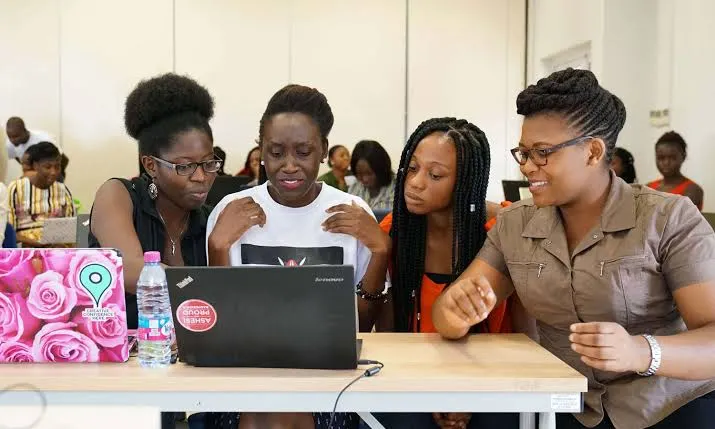

Where to study English in Uganda. Uganda is one of the best places in Africa to learn English. It is the country’s official language, the language of school, business, government and the media, and it is spoken every day on the streets of Kampala. If you are a student from Rwanda, Burundi, the DRC, South Sudan, Somalia or Eritrea, a professional planning to work abroad, or a Ugandan who wants to speak with more confidence, you can study English here at a lower cost than in Europe or North America while living in a place where you hear the language all day.
This guide explains where to study English in Uganda, how to choose the right school, what the courses cost, how long they take, and how to apply. It is written by the team at Uganda Language School, part of KCI Institute in Kampala, which has trained students in practical skills since 2009.
Why Study English in Uganda?
Before you pick a school, it helps to understand why so many international learners choose Uganda.
English is everywhere. English is used in every secondary school, university, bank, hospital, government office and newspaper in Uganda. When you finish class, you keep practising at the market, in a taxi, at church or with new friends. This “immersion” is what turns classroom knowledge into real fluency, and it is something online-only learning in a non-English country cannot match.
It is affordable. Tuition, housing, food and transport in Kampala cost a fraction of what students pay in London, Toronto or Sydney. A full three-month English level at a good Kampala school costs far less than a single month in many Western cities. Our detailed guide on how much it costs to study English in Uganda breaks the numbers down.
It is close to home for East and Central Africans. For learners from neighbouring countries, Uganda is a short bus ride or flight away. Many students from Rwanda in particular come to Kampala to strengthen their English, and we have written a full article about English training in Uganda for Rwandese students.
It opens doors. Good English helps you pass international exams like IELTS, win scholarships, get into universities abroad, work in tourism and hospitality, and compete for jobs with NGOs and international companies across East Africa.
Your Main Options: Where to Study English in Uganda
There are several kinds of places where you can learn English in Uganda. Each suits a different type of learner.
1. Dedicated Language Schools in Kampala
Most international students choose a dedicated language school. These schools focus on teaching languages to adults and young people who have already left school, and they usually offer small classes, flexible timetables and short, structured courses with clear levels.
Uganda Language School is one of these. We teach English alongside French, Swahili and German, with classes at our campus in Kampala and live online lessons. Our English Language Course runs at three levels (Beginner, Intermediate and Advanced) and each level takes three months.
If you want to compare a few options in the capital first, read our roundup of the best language schools within Kampala City and our wider list of the best English schools in Uganda.
2. Vocational and Skills Institutes with Language Departments
Some vocational institutes run language departments next to their technical and professional courses. This is useful if you want to combine English with a career skill. At KCI Institute, for example, English and other languages are taught through the language courses department, while the same institute trains students in tourism, hospitality, ICT, mechanics and business. A student can improve their English first and then move into a career programme in the same place.
3. University Language Institutes
Some universities in Uganda run language institutes and English proficiency or foundation programmes, mainly for students who need to meet English entry requirements before starting a degree. These programmes are a good choice if you have already been admitted to a particular university. They often follow the academic calendar, so start dates are less flexible than at a private language school.
4. Cultural Centres and Exam Centres
International cultural organisations in Kampala offer English courses, exam preparation and testing. They are well known, but their courses can be more expensive, and class times may not suit people who work during the day.
5. Online English Classes from Uganda
If you cannot travel yet, you can still learn with a Ugandan school online. Live online classes let you study from Kigali, Juba, Goma or anywhere else with an internet connection, with the same teachers and course structure. Find out more in our post on online English lessons in Uganda and KCI’s guide answering the question can I study English online?
How to Choose the Right English School in Uganda
Not every school is the right fit for every learner. Use this checklist when you compare options.
Clear levels and a placement test. A good school tests your English before you start and puts you in the right level. Avoid places that put beginners and advanced students in the same room.
Qualified, experienced teachers. Ask who will teach you, how long they have taught English to adults, and whether they have experience with learners from your country or language background.
Small, interactive classes. You learn to speak by speaking. Smaller groups mean more time for each student to talk, ask questions and get feedback.
Flexible schedules. If you work or study during the day, look for morning, evening, weekend or online options.
Transparent fees. The school should tell you the full cost up front: tuition, registration and materials. Hidden charges are a warning sign.
Practice outside the classroom. Speaking clubs, group discussions, presentations and mock exams make a big difference to how quickly you become confident.
Location and safety. If you are moving to Kampala, choose a school that is easy to reach by public transport and in an area where you can find affordable housing.
Support for international students. Schools that regularly welcome foreign students can help with accommodation advice, airport pickup tips, and settling in.
If you are an adult returning to learning after many years, our article on language schools for adults in Kampala explains what to expect, and KCI has a helpful companion piece on English learning schools for adults in Uganda.
Studying English at Uganda Language School
Here is what our English programme looks like in practice, so you can compare it with other schools.
Course Structure and Levels
Our English course has three levels:
- Beginner: for learners who know little or no English. You learn the alphabet and pronunciation, everyday vocabulary, simple grammar, and how to introduce yourself, ask questions, shop, give directions and hold basic conversations.
- Intermediate: for learners who can communicate simply but make frequent mistakes or lack confidence. You build longer sentences, use a wider range of tenses, read short articles, write emails and take part in discussions.
- Advanced: for learners who want fluent, accurate English for university, work or international exams. You practise academic and professional writing, presentations, debate, detailed reading and listening to native-speed audio.
Each level takes three months and includes 50+ lessons. Lessons combine grammar and vocabulary with lots of speaking, listening, reading and writing practice.
What You Will Learn
Across the levels, students work on:
- Essential grammar and vocabulary for everyday communication
- Fluent speaking for formal and informal situations
- Reading comprehension and text analysis
- Academic and professional writing
- Listening for conversations, interviews and media
- Pronunciation and accent training
Students also join speaking clubs, group discussions and mock exams, so they get the practice they need to speak naturally rather than just memorise rules.
Class Times That Fit Your Life
We offer morning, evening, weekend and online classes. Working professionals often choose evening or weekend groups, full-time international students usually take morning classes, and learners outside Uganda join online.
Course Fees
Our current English course fees are:
- Tuition: UGX 650,000 per level (three months)
- Registration: UGX 50,000 (one-time payment)
- Study materials and assessments: included
For a full comparison of costs across Kampala, including living expenses, see how much is studying English language in Uganda. You can also review KCI Institute’s official fee structure for its wider range of programmes.
Where We Are
Our campus is at Plot 149, Gayaza Road, Kubiri Mulago, Kampala, easy to reach by taxi or boda boda from the city centre and nearby neighbourhoods. You can see all the languages we teach on our language courses page.
How Long Does It Take to Learn English in Uganda?
This is one of the most common questions we hear, and the honest answer is: it depends on where you start and where you want to go.
- Complete beginners who want to hold everyday conversations usually need one level (about three months) of regular study.
- Learners aiming for confident, work-ready English typically complete the Beginner and Intermediate levels, around six months.
- Students preparing for university or international exams often study all three levels, about nine months, especially if they start with little English.
Your progress also depends on how much you practise outside class. Students who speak English with friends, watch English programmes, read newspapers and use the language in daily life move faster. KCI has looked at this question in more detail in its article on how long it takes to learn English language in Uganda.
Studying English for IELTS and Other Exams
Many students learn English in Uganda to pass an international test such as IELTS. Universities, employers and immigration authorities in the UK, Canada, Australia and elsewhere often ask for a minimum IELTS band score.
An exam preparation course is different from a general English course. It focuses on the four parts of the test (listening, reading, writing and speaking), the question types, time management, and practice under exam conditions. Most students do best when they first build solid general English and then take focused exam preparation.
We offer guidance on both routes:
- Read our overview of IELTS preparation courses in Uganda to see what an exam course includes.
- Learn how general English classes support your test score in English courses for IELTS exam preparations.
- If you are wondering how much time to set aside, KCI’s guide how long do I need to prepare for IELTS? gives a practical timeline.
Our Advanced level includes mock exams so that students get used to test-style tasks before they sit the real exam.
Tips for International Students Moving to Kampala
If you are coming from another country to study English in Uganda, a little planning makes your first weeks much easier.
Check your visa requirements early. Visit Uganda’s official immigration website to confirm which visa or student pass you need, and make sure your passport is valid for your whole stay.
Arrange accommodation near your school. Kampala traffic can be heavy at rush hour. Living near your campus saves time and money. Hostels, shared houses and rented rooms are common options for students.
Learn to use local transport. Minibus taxis and boda bodas (motorcycle taxis) are the most common ways to get around. Ride-hailing apps are also widely used in Kampala.
Use English everywhere. Practise ordering food, bargaining at the market and chatting with neighbours in English. Every conversation is free practice.
Learn a little Luganda or Swahili too. English is enough to live and study in Kampala, but a few words of Luganda, the main local language in Kampala, or Swahili will help you make friends. Many of our English students also take a short Swahili course, which is useful for travel and work across East Africa.
Budget for the rainy seasons. Uganda has two rainy seasons, so pack an umbrella and allow extra travel time on wet days.
Can You Combine English with a Career Course?
Yes, and this is one of the biggest advantages of studying at a school that is part of a wider institute. Because Uganda Language School is part of KCI Institute, students can strengthen their English and then move into a practical career programme.
Popular combinations include English plus tourism and tour guiding, English plus hotel and hospitality management, English plus ICT and computer skills, and English plus business or digital marketing. Strong English is especially valuable in tourism and hospitality, where you will serve international visitors every day.
KCI also offers online courses for students who want to keep learning from home after their English programme. To see every language option we teach, visit our main language training in Uganda article.
Who Studies English in Uganda?
Our classrooms are a mix of people from many countries and backgrounds, and that variety is part of what makes learning here enjoyable. Typical learners include:
- Students from French-speaking countries such as Rwanda, Burundi and the DRC who need English for university, scholarships or regional jobs.
- Refugees and new arrivals from South Sudan, Somalia, Eritrea and Ethiopia who want to build a new life and study or work in Uganda.
- Ugandan school leavers and graduates who want to speak more fluently and confidently in interviews and at work.
- Professionals in banking, healthcare, NGOs, sales and tourism who need stronger presentation, report-writing and customer-service English.
- Future migrants and students abroad preparing for IELTS and life in an English-speaking country.
- Business owners and traders who deal with suppliers and customers across East Africa.
Because classes bring these groups together, you practise English with people who do not share your first language. That pushes everyone to communicate in English, which is exactly what builds fluency.
In-Person Classes vs Online Classes: Which Is Better?
Both options work well. The best choice depends on your situation.
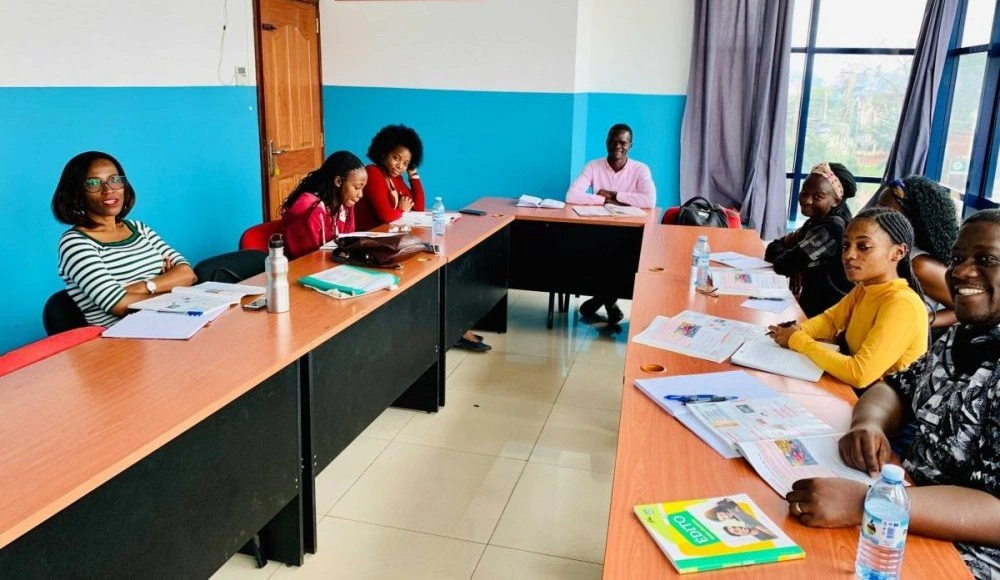
In-person classes in Kampala are ideal if you can live in Uganda for a few months. You get face-to-face time with teachers, you practise with classmates during breaks, and you are surrounded by English after class. Most learners who want the fastest progress choose this option.
Online classes are ideal if you are working full time, live outside Uganda, or need to save on travel and housing. You still get live lessons with a real teacher, the same course levels and regular assessments. The key to success online is discipline: attend every lesson, keep your camera on, and find people to practise with between classes.
Many students combine the two. They start online from home, then travel to Kampala to finish their Intermediate or Advanced level in person. Others study in person first and continue online after they return home. Our flexible timetable makes either path possible.
Comparing English Schools: Questions to Ask Before You Pay
Before you register anywhere, ask the school these questions. A good school will answer them clearly.
- Do you give a placement test before I start?
- How many students are in each class?
- How many lessons per week, and how long is each lesson?
- What are the total fees, including registration and materials?
- Do you offer morning, evening, weekend or online classes?
- Will I receive a certificate when I finish a level?
- Do you offer speaking clubs, mock exams or other practice?
- Can you help international students with accommodation advice?
For more help comparing schools, see our guides to the best language schools in Uganda and Uganda language schools for English. KCI’s list of the best English learning centers in Uganda is another useful reference.
How to Apply for an English Course in Uganda
Applying to Uganda Language School is simple:
- Choose your course and mode. Decide whether you want in-person classes in Kampala or online lessons, and whether you prefer morning, evening or weekend classes.
- Fill in the application form. Complete our online application or apply through KCI Institute’s application page.
- Take a placement test. We will assess your current level so you start in the right class.
- Pay your registration and tuition. Once you know your level and start date, pay the registration fee and tuition for your first level.
- Start learning. Join your class, meet your teacher and begin your English journey.
If you have questions before applying, call us on +256 789 210 067, email info@kenlinkinstitute.ac.ug, or use KCI’s contact page.
Frequently Asked Questions About Studying English in Uganda
Is Uganda a good place to learn English?
Yes. English is Uganda’s official language and is used in education, business, government and the media. Students can practise every day outside class, and the cost of living and tuition is lower than in most English-speaking countries.
How much does an English course cost in Uganda?
At Uganda Language School, each three-month level costs UGX 650,000, plus a one-time registration fee of UGX 50,000. Study materials and assessments are included. Fees at other schools vary.
How long is an English course in Uganda?
Our course has three levels (Beginner, Intermediate and Advanced), and each takes three months with more than 50 lessons. Most learners study one to three levels depending on their goals.
Can I study English in Uganda online?
Yes. We offer live online English classes, so you can learn with our teachers from anywhere in the world before or instead of travelling to Kampala.
Do I need any English before I start?
No. Our Beginner level is designed for learners with little or no English. A placement test puts you in the right level.
Can I prepare for IELTS in Uganda?
Yes. Several schools in Kampala offer IELTS preparation. Our Advanced level includes mock exams, and we can guide you on dedicated exam preparation.
Where is Uganda Language School located?
Our campus is at Plot 149, Gayaza Road, Kubiri Mulago, Kampala, Uganda. We also teach online.
Start Your English Journey in Uganda Today
Choosing where to study English in Uganda is an investment in your future. The right school gives you clear levels, experienced teachers, plenty of speaking practice and fees you can plan for, and Kampala gives you a friendly, English-speaking city to practise in every day.
At Uganda Language School, we combine structured three-month levels, flexible morning, evening, weekend and online classes, and the backing of KCI Institute’s years of practical training. Whether you are a beginner, a professional, or preparing for IELTS, there is a level ready for you.
Explore more advice on our blog, view the full English Language Course, and when you are ready, apply online to reserve your place in the next intake.
Related Posts