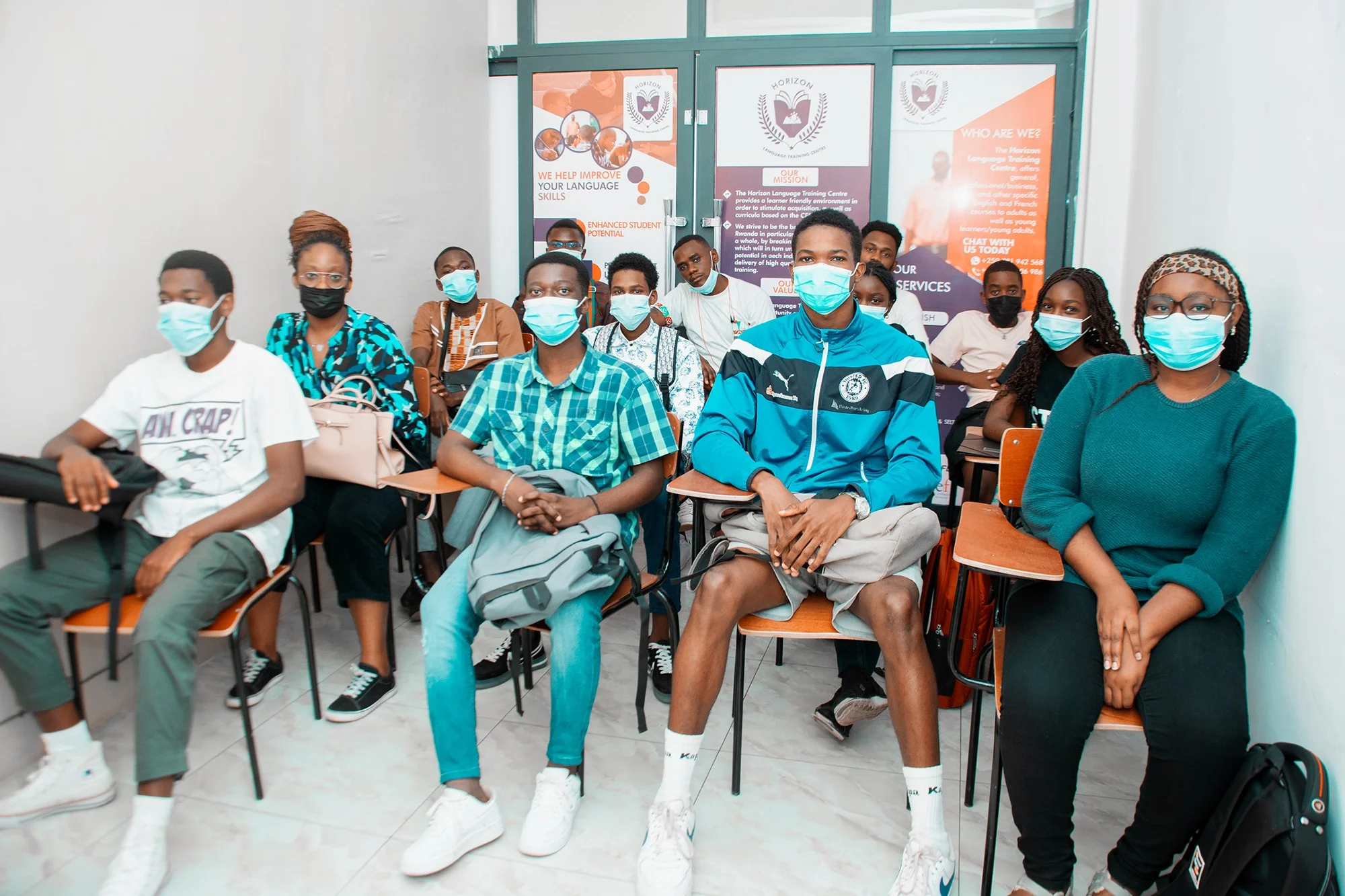


Can i study French Language Online? If you have typed “can I study French language online” into Google, the short answer is yes — and it is easier and more effective than most people assume. Online French study has moved far beyond shaky video calls and static worksheets. Today’s programs combine live, structured lessons with interactive materials, speaking practice, and cultural content, all delivered through a screen you likely already use every day. This guide answers the question in full: how online French classes actually work, whether they are as effective as sitting in a physical classroom, what equipment you need, how much it costs, and exactly how to enroll — starting with the online option available through Uganda Language School.
Whether you live outside Kampala, travel frequently for work, juggle a demanding schedule, or simply prefer learning from home, this article is written to give you a complete, honest picture so you can decide with confidence rather than guessing.
Yes, You Can Study French Online — Here’s What That Actually Looks Like
Studying French online today rarely means sitting alone with a textbook and an app. Established language schools now run fully structured online programs that mirror their in-person classes almost exactly: the same level system, the same instructors, the same assessments, delivered through live video sessions rather than a physical classroom. The French Language course at Uganda Language School is one clear example — it is explicitly offered in an online format alongside morning, evening, and weekend in-person options, using the same curriculum across all formats.
What has changed in recent years is the quality of the online experience itself. Reliable video conferencing, shared digital whiteboards, recorded sessions for review, and instant messaging with instructors between classes have closed most of the gap that used to exist between online and in-person language learning. For many working adults and students, online French classes are not a compromise — they are simply the more practical way to fit consistent language study into a busy life.
Why More Ugandans Are Choosing to Learn French Online
The shift toward online French study in Uganda is driven by a few very practical realities. Not everyone who wants to learn French lives near Kampala, and traveling across the city or country for a fixed class time is simply not realistic for many students and professionals. Online classes remove that barrier entirely, letting learners in Gulu, Mbarara, Jinja, or anywhere with a stable internet connection join the same quality of instruction as someone sitting in a Kampala classroom.
Flexibility is another major driver. Professionals with unpredictable work schedules, parents managing childcare, and university students juggling coursework all benefit from being able to join a class from wherever they are, without losing travel time getting to and from a physical location. Many learners also simply find it easier to concentrate and participate from a familiar environment, particularly when a course includes recorded sessions they can revisit if they miss a live class.
Cost efficiency plays a role too — no transport costs, no time lost commuting, and often more flexible payment structures than fixed-location programs. For learners weighing their options, it is worth exploring the full Language Courses page to see how the online format applies across French and the school’s other language offerings.
Is Online French Learning as Effective as In-Person Classes?
This is the question most people actually want answered, and the honest response is: it depends far more on the structure of the course than on whether it happens online or in a room. A well-designed online program with live instruction, regular speaking practice, and structured assessments can be just as effective as an in-person class — sometimes more effective, because learners often show up more consistently when they do not have to commute.
What genuinely matters is whether the course includes live interaction rather than pre-recorded videos alone. Passive video courses, where you simply watch lessons without speaking or receiving feedback, are far less effective for building real conversational fluency than a live class where an instructor corrects your pronunciation and pushes you to respond in real time. This is why it is worth confirming, before enrolling anywhere, whether “online French classes” means live, scheduled sessions with an instructor or simply access to a pre-recorded video library.
Programs like the French Language course at Uganda Language School are built around live online sessions with the same instructors teaching the in-person classes, which means online students get the same speaking clubs, cultural workshops, and direct feedback as students attending in person — not a stripped-down version of the course.
What to Look for in an Online French Course
Before enrolling in any online French program, evaluate it against a few essential criteria. Live instruction should be non-negotiable — a real instructor teaching in real time, not just pre-recorded content with no interaction. Structured, level-based progression matters just as much online as in person, so you always know exactly where you stand and what comes next.
Genuine speaking practice is essential; look for programs that include conversation clubs, group discussions, or one-on-one speaking time rather than relying solely on multiple-choice grammar exercises. Reliable technology matters too — a school should use a stable, widely available video platform rather than obscure software that constantly disconnects or requires expensive equipment.
Clear communication and support outside of class hours is another sign of a serious program; you should be able to message your instructor or the school with questions between sessions. Finally, transparent enrollment and fees remain just as important online as they are for in-person study — check the Applications page of any school you are considering to see how clearly they lay out the process before you commit financially.
Studying French Online at Uganda Language School (Kenlink Institute)
Uganda Language School runs its French Language course as a genuine online option, not an afterthought bolted onto an in-person program. The course spans 80 lessons across Beginner, Intermediate, and Advanced levels, with grammar, vocabulary, pronunciation, and cultural studies delivered through live online sessions that mirror the in-person classroom experience.
Online students get access to the same 50-plus interactive lessons per level, French films, speaking clubs, and cultural workshops as students attending physically, which means the online format does not sacrifice the applied, conversation-focused approach that makes the program effective in the first place. Because the school operates under the wider Kenlink Institute network, online students also benefit from the administrative reliability of an established institution — enrollment support, scheduling, and continuity — rather than an informal setup that could disappear without warning.
If you are comparing your options, the Language Courses page lists French alongside German, English, and Swahili, all available in the same flexible formats, so you can plan a longer-term language learning path with the same institution rather than switching providers as your goals evolve.
How the Online French Curriculum Is Structured
The online French curriculum follows the same level-based structure as the in-person program, generally spanning around six months per level. At the Beginner level, online sessions focus on essential greetings, everyday vocabulary, basic sentence structure, and listening practice delivered through live video interaction rather than isolated app exercises.
The Intermediate level builds on that foundation online with more complex grammar, expanded vocabulary for work and travel contexts, and structured listening and reading exercises conducted through shared digital materials and breakout discussions. By this stage, most online students can hold a functional conversation over video call, write short messages and emails, and follow spoken French without needing constant repetition.
The Advanced level pushes toward genuine fluency through live debate and discussion practice, exposure to authentic French media shared during sessions, and nuanced grammar instruction — all conducted with the same rigor as the in-person Advanced level. Across every stage, the online format includes the same cultural components — French cinema discussions, music, and speaking clubs — delivered through video conferencing rather than a physical room, keeping the learning experience consistent regardless of format.
Live Online Classes vs Self-Paced Apps: What’s the Difference?
It is worth being clear about an important distinction: a structured online course with live instruction is not the same thing as a self-paced language app. Apps are useful for vocabulary drills, spaced repetition, and casual daily practice, but they cannot correct your pronunciation in real time, hold a genuine conversation with you, or adapt a lesson to your specific confusion the way a live instructor can.
Most successful online French learners use both — a live, structured course like the French Language programme at Uganda Language School as the backbone of their learning, supplemented by apps or podcasts for extra daily practice between sessions. Relying on an app alone, without any live speaking practice, is one of the most common reasons learners plateau at a basic level and never progress to genuine conversational fluency. If your goal is real, usable French rather than a high app streak count, prioritize a program built around live instruction.
What Equipment and Internet Do You Need for Online French Classes?
One of the most reassuring things about modern online French classes is how little specialized equipment they require. A smartphone, tablet, or computer with a reasonably stable internet connection and a working microphone is generally sufficient — the same setup most people already use for video calls with family or work meetings.
A quiet space for the duration of your class helps with concentration and speaking practice, though it does not need to be a dedicated home office. Headphones can improve audio clarity, particularly for pronunciation-focused activities, but they are a nice-to-have rather than a strict requirement. If your internet connection is inconsistent, look for a program that records live sessions so you can review material you may have missed due to a dropped connection — a detail worth confirming when you review the Applications page or speak with admissions staff before enrolling.
A Typical Online French Class Session: What to Expect
Understanding what an actual session looks like can make the decision to enroll feel far less abstract. A typical live online French class begins with a short warm-up — often a quick conversation in French about recent days or current events at your level — designed to ease students into speaking mode before diving into new material.
The main portion of the session usually covers new vocabulary or grammar, introduced through examples and immediately practiced through guided speaking exercises rather than passive listening alone. Instructors commonly use breakout-style pair practice, even in an online setting, so students get individual speaking time rather than sitting silently through a lecture. Sessions typically close with a review of key points and a short preview of homework or practice tasks to reinforce what was covered before the next class.
This structure — warm-up, instruction, guided practice, review — is deliberately designed to maximize actual language production rather than passive note-taking, which is precisely why well-run live online classes can match or exceed the effectiveness of in-person instruction.
Meet the Instructors Teaching French Online
The quality of your online French experience depends heavily on who is teaching it, and this is an area where established schools have a real advantage over ad hoc tutoring arrangements. Uganda Language School operates under the leadership associated with Kenlink Institute’s broader mission to “empower individuals with knowledge, skills, and experiences that inspire growth and success,” a philosophy that carries through to how online classes are taught.
The About Us page describes an approach built around patient, experienced instructors and a genuinely supportive learning environment — qualities that matter just as much, if not more, in an online setting where students can otherwise feel isolated or hesitant to speak up. Because the same instructors typically teach both online and in-person sections, online students are not getting a secondary tier of instruction; they are learning from the same educators using the same proven methods, just through a different delivery channel.
Beyond French: Other Languages You Can Study Online
If your interest in online learning extends beyond French, it is worth knowing that the same flexible, live-instruction model is available across other languages at Uganda Language School. The German Language course is offered online for learners pursuing study or work opportunities in German-speaking countries, while the English Language course online option serves professionals and students who want to sharpen academic or workplace English without needing to travel to a physical campus.
There is also a Swahili Language course available online, increasingly valuable given Swahili’s growing status as an official language of the East African Community. Many learners combine French with Swahili or English through the same online-friendly institution, building a broader set of regionally and internationally useful language skills without juggling multiple unrelated providers. The full Language Courses catalogue is worth reviewing if you are weighing which combination of languages best supports your goals.
Combining Online French with Vocational Training
One advantage of studying online French through Uganda Language School is its connection to Kenlink Institute, which offers a wide range of vocational and professional courses, some of which are also available through flexible or online-distance formats. This matters because a language skill becomes significantly more valuable in the job market when paired with a practical qualification.
A learner interested in tourism, for example, could pair online French lessons with programs from Kenlink Institute’s course catalogue, which spans hospitality, tour guiding, and business-focused training relevant to serving francophone clients and travelers. Someone focused on logistics and cross-border trade with French-speaking neighbors might explore heavy machinery and driving training alongside their online language classes, while aspiring entrepreneurs can look into business consultation services to strengthen the commercial side of a bilingual skill set. Learners interested in beauty and personal-care careers can also review programs like the Certificate in Hair Dressing and Salon Management as a complementary qualification.
It is worth reviewing Kenlink Institute’s admissions information and the dedicated language courses overview to understand how online language study and vocational programs can be scheduled together without conflict, and if you already know you want to pursue both, you can submit a single application covering both areas of interest.
Common Myths About Learning French Online
A few persistent myths keep good candidates from trying online French classes, and most of them do not hold up once you look closely. The first is that online learning is inherently less disciplined or less serious than in-person study. In reality, discipline comes from the structure of the course and the learner’s habits, not the delivery medium — a live, scheduled online class with an attendance record and homework is no less rigorous than a physical classroom.
The second myth is that you cannot build real speaking confidence through a screen. Speaking practice over video call is, in practice, nearly identical to speaking practice in person: you still have to produce spoken French in real time, respond to a live conversation partner, and receive immediate correction. Many learners actually feel less self-conscious speaking on video than in a crowded physical room, which can accelerate rather than hinder speaking confidence.
A third myth is that online courses are always cheaper or always more expensive than in-person options. In reality, pricing is set by the institution and the curriculum, not the delivery format, so it is worth comparing actual course fees rather than assuming one format is automatically the better financial choice. Finally, some assume online classes only suit tech-savvy young learners, but structured programs are designed to be accessible to learners of any age or comfort level with technology, typically requiring nothing more complex than joining a video call.
Comparing Online French Study to Other Options in Kampala
If you are still weighing whether online study is the right fit compared to a physical classroom, it can help to look at how the wider Kampala language-learning market frames the decision. The school’s blog offers useful comparative reading on this exact question, including a broader look at French schools in Uganda, a roundup of the best language schools in Uganda, and a wider discussion of language training options across the country that includes both online and in-person formats.
Reading through comparisons like these before enrolling can help you see the online option in context rather than in isolation — understanding, for example, how online French pricing and pacing compares to in-person programs, or how online options compare to what cultural centers and universities offer. Because the underlying curriculum at Uganda Language School is shared across formats, most of what applies to the in-person French Language course — level structure, cultural content, instructor quality — applies equally to the online version, which makes the decision less about “online versus in-person quality” and more about which format simply fits your life better.
For learners still deciding between languages entirely, the blog also covers related questions such as how much it costs to study English in Uganda, which is a useful reference point if you are weighing French against other language options before committing your time and budget.
Free and Paid Tools That Complement Your Online French Classes
A structured live course should be the backbone of your online French study, but a handful of supplementary tools can meaningfully speed up your progress between sessions. Spaced-repetition vocabulary apps are useful for reinforcing new words so they move from short-term to long-term memory rather than being forgotten within days. French-language podcasts and news broadcasts designed for learners provide listening practice at a manageable pace before you move on to native-speed content.
For learners working toward an internationally recognized qualification, the DELF and DALF examinations remain the standard benchmarks for French proficiency, and many learners use online practice materials to familiarize themselves with the exam format well before sitting for the actual test. None of these tools replace live instruction and speaking practice, but used consistently alongside a structured course like the French Language programme, they can meaningfully accelerate vocabulary retention and listening comprehension between classes.
How Much Does Online French Study Cost?
Online French courses are often priced similarly to in-person courses at the same institution, since the curriculum, instructor time, and materials are largely the same — the only difference is the delivery format. At schools structured around per-level pricing, students can typically choose to pay for a single level at a time or commit to the full multi-level course, sometimes at a discounted combined rate.
One genuine cost advantage of studying online is the elimination of transport expenses and lost commuting time, which can add up significantly over a course lasting many months. Before enrolling in any online program, ask for a full, itemized breakdown of tuition, registration fees, and materials, and confirm whether recorded sessions or additional online resources are included at no extra cost. The Applications page at Uganda Language School is a useful example of the kind of upfront transparency you should expect from any online program before committing financially.
How Long Does It Take to Learn French Online?
Timelines for online French study closely mirror in-person timelines, since the curriculum and pacing are generally identical — what changes is not the schedule but the delivery method. As a general guide, most structured programs allocate roughly six months per level, meaning a complete beginner working through Beginner, Intermediate, and Advanced levels online should expect to spend somewhere in the range of a year and a half to two years to reach strong conversational and professional fluency, assuming consistent attendance and regular practice between sessions.
Online learners sometimes progress slightly faster simply because the reduced friction of not commuting makes it easier to attend classes consistently, and consistency is the single biggest factor in language-learning speed. As with in-person study, many learners reach a comfortable conversational level well before completing the most advanced coursework, depending on whether their goal is travel-level French, workplace French, or full professional and academic fluency.
Step-by-Step: How to Enroll in Online French Classes
Enrolling in an online French program is generally simpler than people expect, since there is no need to visit a campus in person unless you prefer to. First, decide on your starting level — complete beginners start at the Beginner level, while learners with some prior exposure to French can often discuss a placement conversation to confirm whether Intermediate is a better fit.
Second, confirm the online class schedule works with your time zone and daily commitments, since live online classes still happen at fixed times even though you are joining remotely. Third, gather your basic enrollment details; most schools require simple identification and contact information rather than complicated paperwork for adult and professional learners.
Fourth, submit your application through the school’s online Applications page, selecting French and the online format specifically. Fifth, once your application is reviewed, you will receive confirmation of your class schedule, fees, video platform details, and start date. Finally, if a vocational qualification is part of your broader plan, review Kenlink Institute’s admission requirements at the same time so you can coordinate both schedules from the outset.
Tips for Staying Motivated When Learning French Online
Online learning removes commuting friction, but it also removes some of the built-in accountability of physically showing up to a classroom, so motivation strategies matter more than they might in an in-person setting. Treat your online class times as fixed appointments you would not casually cancel, exactly as you would an important work meeting, rather than something flexible you can reschedule at will.
Turn your camera on during live sessions whenever possible; students who stay visually engaged tend to participate more actively and retain more from each class than those who passively listen with their camera off. Set small, specific weekly goals — mastering a particular set of verb conjugations, or being able to describe your week in French — rather than vague ambitions like “get better at French,” since specific goals are far easier to track and feel rewarding when achieved.
Connect with classmates outside of class time if your program allows it; even a short voice message exchange in French between sessions reinforces what you are learning far more than solitary study. Finally, track your progress visibly — a simple log of new vocabulary learned or topics covered each week can be a powerful motivator during the inevitable weeks when progress feels slow.
A Sample Weekly Study Routine for Online French Learners
A consistent weekly rhythm makes a significant difference in how quickly online French learners progress. On days you have a live class, spend ten minutes beforehand reviewing vocabulary from the previous session so you arrive ready to engage rather than starting cold. Immediately after class, spend another ten minutes writing a short summary of what was covered, in French if possible, while the material is still fresh.
On non-class days, dedicate at least fifteen to twenty minutes to independent practice — listening to a short podcast segment, reviewing flashcards, or writing a few sentences about your day. Set aside one slightly longer session each week, perhaps twenty to thirty minutes, for focused review of your weakest area, whether that is a specific grammar point, pronunciation, or vocabulary retention.
Reserve at least one moment each week for genuine, low-pressure conversation practice, whether with a classmate, a language exchange partner, or simply speaking aloud to yourself in French about your day. Learners who follow a simple, sustainable weekly routine like this alongside their structured French Language course consistently outperform those who only engage with French during scheduled class time.
Who Should — and Shouldn’t — Choose Online French Classes
Online French classes are an excellent fit for a wide range of learners, but it is worth being honest about who benefits most. Working professionals with unpredictable schedules, students juggling coursework, parents managing childcare, and anyone living outside easy commuting distance of a physical school all tend to thrive with the online format, since it removes the single biggest obstacle to consistent attendance: travel time.
Self-motivated learners who can commit to showing up for scheduled sessions, even without the social pressure of a physical classroom, also tend to do very well online. Learners who already feel comfortable with basic technology — joining a video call, sharing a screen, using a messaging app to reach their instructor — will find the transition to online classes almost seamless.
On the other hand, learners who know from experience that they need the structure of physically leaving home to focus, or who have unreliable internet access without a good backup plan, may find the online format more frustrating than helpful, at least until those circumstances change. Some learners also simply prefer the social energy of a shared physical classroom and the informal practice that happens before and after class with fellow students. Neither preference is wrong — the goal is matching the format to how you personally learn best, and many schools, including Uganda Language School, make it easy to ask questions about both formats before you commit through their Applications page.
If you are unsure which format suits you, it is worth asking whether you can try a single trial class in each format before committing to a full level, since a short, low-stakes trial often answers the “online or in-person” question far more clearly than reading about it in advance ever could.
Career Benefits of Learning French Online
The career advantages of French fluency apply just as fully whether you learned online or in person — employers care about your actual ability to communicate, not the format in which you acquired it. French speakers remain in demand across tourism, cross-border trade with the Democratic Republic of Congo, international NGOs and diplomatic missions, and translation or interpretation work throughout the region.
Learning online can actually widen your career options in one specific way: it allows working professionals to build a new language skill without pausing their current job or relocating closer to a physical school, meaning career changes and skill development can happen in parallel rather than requiring a full stop. For students juggling coursework or internships, online French study similarly allows language learning to fit around existing commitments rather than competing directly with them for time.
If you are exploring how language skills translate into real opportunities, it is worth reviewing Kenlink Institute’s course catalogue and careers page to see how graduates commonly pair language study with vocational qualifications to strengthen their overall employability.
Frequently Asked Questions About Studying French Online
Is online French learning suitable for complete beginners? Yes. The French Language course at Uganda Language School takes learners with zero prior experience through a structured Beginner level online, with the same pacing and support as the in-person option.
Do I need expensive equipment to join online French classes? No. A smartphone, tablet, or computer with a stable internet connection and a working microphone is generally sufficient for live online classes.
Will an online certificate or level completion be recognized the same as an in-person one? Since the curriculum, instructors, and assessments are the same across formats at established schools, level completions earned online carry the same weight as those earned in person.
Can I switch between online and in-person classes if my schedule changes? Many schools allow this kind of flexibility, particularly when online and in-person sections follow the same curriculum. It is worth asking directly through the Applications page when you enroll.
How is online French different from studying German, English, or Swahili online at the same school? The delivery format is the same — live, structured sessions — but content and career relevance differ. Compare all four options on the Language Courses page before deciding.
Is it worth combining online French with a vocational course? For many learners, yes. Pairing online language study with a vocational qualification through Kenlink Institute’s programs tends to produce stronger job outcomes than either credential alone, and you can review the institute’s partnership network to see how graduates connect with employers.
How do I manage my enrollment after signing up for online classes? You can manage your details through the school’s account portal at any time after registering.
What happens if I miss a live online session? Most structured programs either record live sessions for later review or offer a brief catch-up summary from your instructor, though policies vary by school. It is worth confirming attendance and make-up policies directly when you enroll through the Applications page, so you know exactly what to expect before your course begins.
Can international students or diaspora Ugandans studying abroad join online French classes based in Uganda? Generally yes, provided the class schedule can accommodate a different time zone and your internet connection is reliable. This is one of the most valuable aspects of online study — it removes geography as a barrier entirely, letting diaspora learners maintain a connection to Uganda-based instruction while living anywhere in the world.
Conclusion: Yes, You Can Study French Online — Start Today
To answer the question directly: yes, you can absolutely study French online, and for many learners it is now the more practical and equally effective way to build real fluency. What matters most is choosing a program built around live instruction, structured levels, and genuine speaking practice rather than passive video content alone. The French Language course at Uganda Language School delivers exactly that — the same curriculum, instructors, and cultural immersion as the in-person option, available entirely online.
There is no need to wait for the “right” time to start, and no need to live near a physical campus to begin. Every excuse that once made language learning difficult — a long commute, a rigid class schedule, distance from the nearest school — has a practical online solution today, and the only remaining variable is whether you take the first step. When you are ready, you can review the full range of language courses, learn more about the school and its mission, and begin your application today — and if a vocational qualification is part of your longer-term plan, take a look at what Kenlink Institute offers alongside your online language studies. Your first live French class could be just one enrollment form away.
Related Posts
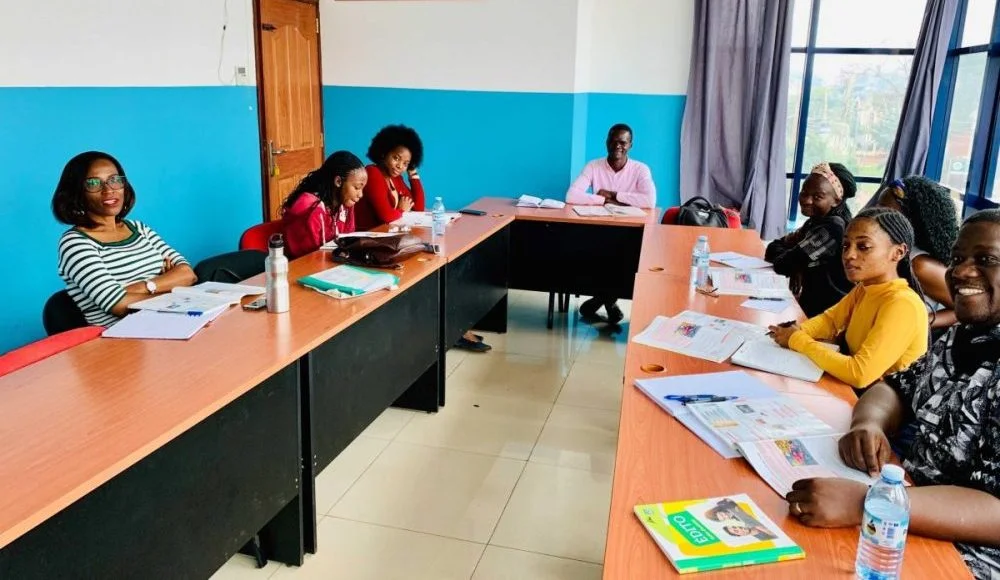
Uganda Language Schools for English
Posted on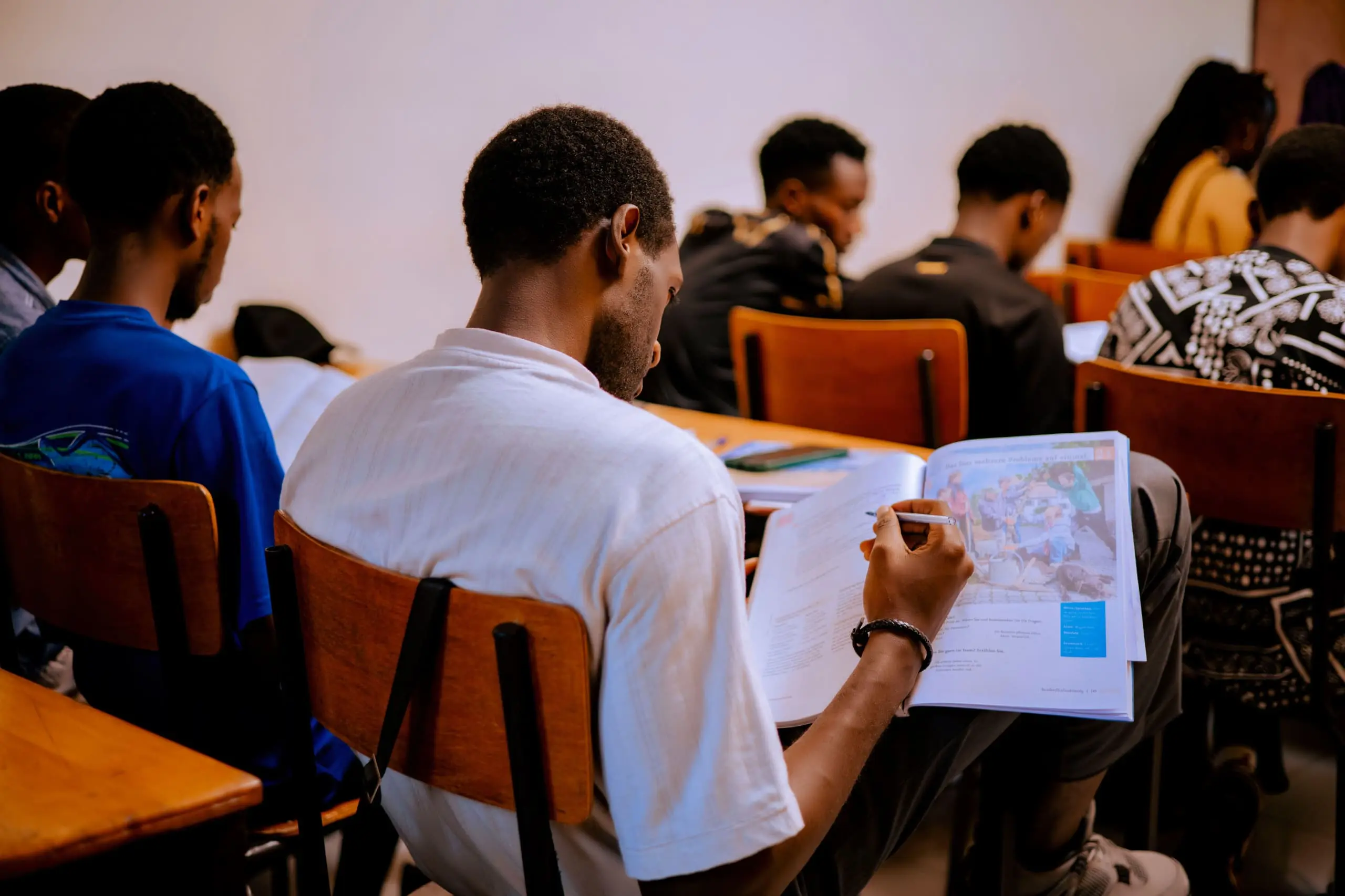
Best Language Schools in Uganda
Posted on