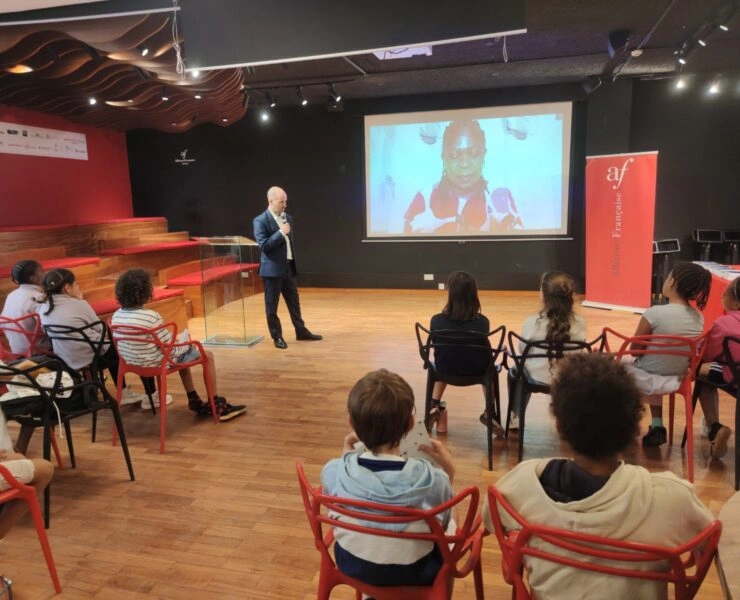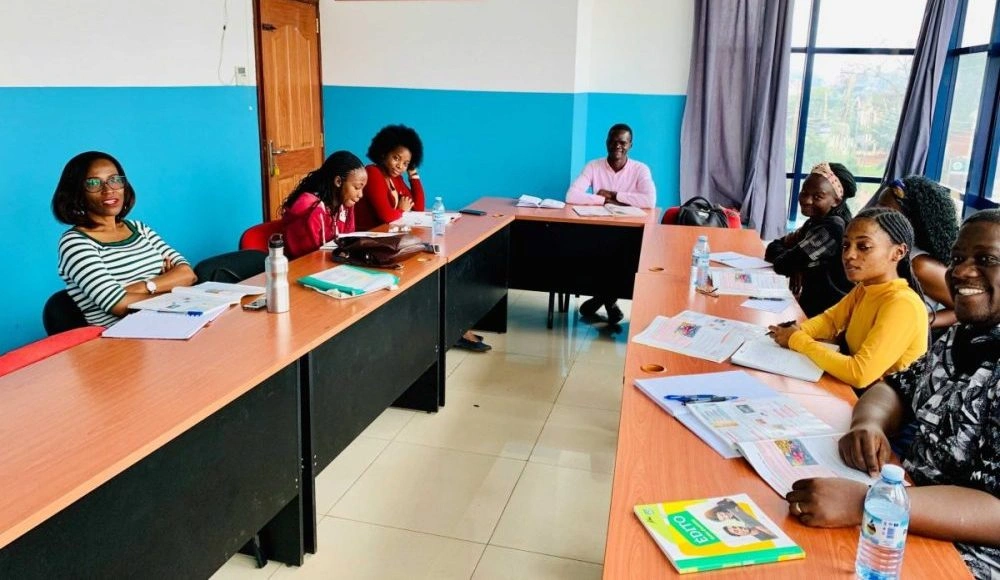


Language Schools in Uganda for English. You have decided to learn or improve your English in Uganda. Now comes the practical question: which school, where, when and at what price? The best English school in the country is no use to you if it is two hours away in traffic, runs classes only when you are at work, or costs more than you can afford. Finding the right fit matters just as much as finding a good teacher.
This guide from Uganda Language School takes a practical approach to language schools in Uganda for English. Instead of a general overview, we help you narrow your search by location, budget and schedule, with tips for different types of learners and a simple decision checklist at the end.
If you would like a broader introduction first, including course types, CEFR levels and teaching methods, see our companion articles on the best English schools in Uganda and language training in Uganda.
Step 1: Be Clear About Your Goal
Before comparing schools, write down why you are learning English. Your goal determines what kind of course and school you need:
- Everyday communication: General or spoken English classes.
- Work and career: Business English or English for your sector.
- Study abroad or migration: IELTS or exam preparation.
- University in Uganda or abroad: Academic English.
- Supporting children at school: Children’s English programmes.
- Settling in Uganda as a newcomer: Practical survival English.
It also helps to know your current level and how quickly you need results. A learner who must pass an exam in two months needs a very different plan from someone who wants to improve gradually over a year. Note any deadlines, such as a job start date, university application or visa interview, and share them with each school you contact so they can recommend a realistic course. Once your goal is clear, the next three steps (location, budget and schedule) become much easier.
Step 2: Choose a Location That Works for You
Travel time is one of the biggest reasons learners drop out of courses. A school close to your home or workplace makes it far easier to attend every class. Here is what to consider in Uganda’s main towns.
Finding an English School in Kampala
Kampala has the largest concentration of English language schools in Uganda, with options for every goal and budget. The city’s traffic, however, means location within Kampala matters a great deal.
Central Kampala and Nakasero: Convenient for people working in the city centre, government offices and banks. Easy to reach by public transport, but traffic at peak times can be heavy.
Kololo and Bugolobi: Popular with diplomats, NGO staff and international professionals. Schools here often serve expatriate learners and corporate clients.
Wandegeya and the Makerere area: Close to universities and student hostels, making it convenient for students and young learners.
Ntinda, Kisaasi and Kyanja: Growing residential areas with good access for families and professionals living in northern and eastern Kampala.
Kansanga, Muyenga and Ggaba: Convenient for residents of southern Kampala, including many international families.
Nansana, Kawempe, Wakiso and Mukono: Suburban areas where learners may prefer nearby classes or online lessons to avoid long commutes into the city.
Tip: Choose a school on your daily route, between home and work, or consider online lessons on days when traffic is especially bad.
Finding an English School in Entebbe
Entebbe, home to Uganda’s international airport, is popular with aviation workers, international families and people working at organisations based along the Entebbe road. Learners here may find fewer options than in Kampala but enjoy a quieter environment. Many Entebbe residents combine occasional in-person lessons with regular online classes to avoid the Kampala–Entebbe commute.
Finding an English School in Jinja
Jinja, at the source of the Nile, has a lively tourism and hospitality scene, as well as industries and NGOs. Learners in Jinja, especially tourism and hospitality staff, often look for practical, job-focused English. Where local options are limited, online English classes provide a flexible alternative.
Finding an English School in Mbarara and Western Uganda
Mbarara is western Uganda’s commercial hub and a growing university town. Learners in Mbarara, Fort Portal, Kasese and surrounding towns include students, business people and workers in tourism near national parks. Online classes are particularly useful for learners in smaller western towns.
Finding an English School in Northern and Eastern Uganda
Towns such as Gulu, Lira, Arua, Mbale and Soroti serve large populations, including many refugees and humanitarian workers, especially in the West Nile and northern regions. English classes in these areas often focus on practical communication, employment and education. Community organisations, NGOs and online schools all play a role in providing English training.
Learning English Online from Anywhere in Uganda
If no suitable school is nearby, or your schedule is unpredictable, online English classes offer a powerful alternative. You can join live lessons with qualified teachers from home, work or even while travelling. Online learning removes travel time completely and gives access to teachers you would not otherwise reach.
What you need: a smartphone, tablet or computer, a stable internet connection, headphones with a microphone and a quiet space. Learn more about our online English classes.
Step 3: Match the School to Your Budget
English course costs in Uganda vary widely. Understanding typical cost levels helps you plan realistically. Rather than focusing only on the lowest price, think about value: how much progress you will make for the money you spend.
| Budget Level | Typical Options | Best For |
|---|---|---|
| Lower budget | Larger group classes, community programmes, online group lessons | Learners who need affordable, regular practice |
| Mid-range | Small group classes at established schools, structured online courses | Most learners wanting steady progress and good teaching |
| Higher budget | Private one-to-one lessons, intensive courses, corporate training | Fast progress, specific goals, busy professionals |
For a detailed breakdown of costs and what affects them, read our guide on how much studying English language in Uganda costs. To compare published fees at another Ugandan institution, see the KCI Institute fee structure.
Hidden Costs to Ask About
When comparing fees, ask whether the price includes:
- Registration or placement test fees.
- Course books and materials.
- Certificates on completion.
- Exam fees for international tests, which are usually paid separately to the test provider.
- Internet data for online classes.
- Transport costs to and from the school.
A slightly more expensive course that includes materials and certificates may offer better value than a cheaper course with many extra charges.
Ways to Save Money on English Lessons
- Choose small group classes instead of private lessons for general English.
- Ask about discounts for paying a full term upfront, bringing a friend or enrolling family members.
- Use online classes to save on transport.
- Ask your employer whether they will sponsor work-related English training.
- Practise outside class so you need fewer paid hours to reach your goal.
Step 4: Find a Schedule You Can Keep
Consistency is the secret to learning English. Choose a schedule you can realistically keep for the whole course.
Morning classes: Ideal for full-time students, job seekers and newcomers who are not yet working.
Afternoon classes: Suit learners with morning commitments, such as school runs or part-time work.
Evening classes: Popular with working professionals. Look for schools close to your workplace to avoid evening traffic.
Weekend classes: Good for busy professionals, shift workers and people living outside Kampala who can travel at weekends.
Intensive courses: Daily lessons for several hours over a few weeks. Ideal for learners with an urgent deadline, such as an exam or new job.
Flexible private lessons: Scheduled around your availability, perfect for executives, diplomats and shift workers.
Explore available schedules on our courses page.
Getting to Class: Transport Tips in Kampala
Kampala’s traffic can turn a short distance into a long journey, so plan your route carefully:
- Boda bodas (motorcycle taxis) are fast in traffic but carry safety risks. If you use them, choose app-based services where possible and always wear a helmet.
- Matatus (minibus taxis) are affordable but can be slow during peak hours.
- Ride-hailing cars are comfortable and convenient, though more expensive.
- Walking works well if your school is close to home or work.
Avoid scheduling classes at the busiest commuting times if you can, and leave extra time on rainy days, when traffic slows considerably.
In-Person or Online: Which Is Right for You?
| Factor | In-Person Classes | Online Classes |
|---|---|---|
| Travel | Requires commuting | No travel needed |
| Interaction | Face-to-face with teacher and classmates | Video-based, still interactive |
| Flexibility | Fixed location and times | Join from anywhere |
| Costs | Fees plus transport | Fees plus internet data |
| Best for | Learners who enjoy social learning and live nearby | Busy learners, those outside Kampala and frequent travellers |
Many learners combine both: in-person classes when possible and online lessons when travelling, working late or facing heavy traffic.
Sample Weekly Plans for Different Learners
Working professional in Kampala: Two evening classes near the office (Tuesday and Thursday), one online speaking session at the weekend and 15 minutes of daily vocabulary practice on the commute.
University student: Three morning classes near campus, weekly writing practice for academic assignments and conversation with classmates in English.
Newcomer settling in Uganda: Daily morning classes for intensive progress, plus afternoons practising English in markets, shops and community activities.
Health worker on shifts: Flexible private or online lessons scheduled around rotas, with focused IELTS practice on days off.
Learner outside Kampala: Three online classes per week, plus local English practice through radio, newspapers and conversations.
Planning Your Learning Over the Year
Think about your English learning in terms of months, not days. Many schools run courses in terms or modules, with new intakes throughout the year. Plan around busy periods at work, school holidays, religious festivals and travel. If you have an important deadline, such as an exam, university application or job start date, count backwards and start early enough to reach your target level comfortably.
Matching Schools to Different Types of Learners
Working professionals: Look for evening, weekend or online classes near your workplace, with business English options.
University students: Choose schools near campus with academic English or IELTS preparation.
Health workers: Look for flexible schedules around shifts and strong IELTS preparation. See our IELTS preparation course.
French and Arabic speakers new to Uganda: Choose schools experienced in teaching speakers of your language, with beginner and intermediate classes. If you also want to improve French or help others learn it, see our guide to French schools in Uganda.
Refugees and newcomers: Look for practical survival English, patient teachers and affordable or community-based options.
Parents seeking support for children: Choose schools with child-friendly teachers, small groups and regular progress reports.
Companies: Look for corporate training that can be delivered at your office or online, tailored to your team.
Finding Accommodation Near Your School
International learners coming to Uganda for an English course should try to live close to their school. Options include shared apartments, student hostels, homestays with local families and serviced apartments for longer stays. Homestays are especially valuable for language learners, because you practise English naturally at mealtimes and in daily life.
When choosing accommodation, consider safety, reliable water and electricity, internet access and travel time to class. Ask your school whether it can recommend trusted options or connect you with current students who can share advice. Viewing a place in person, or asking a trusted contact to do so, is always wise before paying rent.
Corporate and Group Training Options
Companies, NGOs and organisations in Uganda can arrange English training for groups of staff. Training may take place at your offices, at the school or online, and can be tailored to your sector, whether hospitality, healthcare, finance, aviation or development work. Group training is often more cost-effective per person and allows colleagues to practise together using the language they need at work.
Questions to Ask When You Visit a School
- What qualifications and experience do your teachers have?
- How do you assess a new learner’s level?
- How many students are in a typical class?
- What materials and methods do you use?
- How do you track and report progress?
- Do you provide certificates?
- Can I attend a trial lesson?
- What happens if I miss a class?
- Are there online or blended options?
- What is included in the fees?
Signs of a Good English School
- A friendly, organised reception and clear information.
- A placement test before you join a class.
- Lively lessons where students speak a lot.
- Teachers who correct errors kindly and clearly.
- Clean, comfortable classrooms or reliable online platforms.
- Positive feedback from current and former students.
- Transparent fees with no pressure to pay before you are ready.
Warning Signs to Avoid
- No placement test, with all learners placed in the same class.
- Very large classes where few students get to speak.
- Promises of fluency in an unrealistically short time.
- Guaranteed exam scores or offers of “leaked” exam papers.
- Unclear fees or pressure to pay large amounts upfront.
- No trial lesson or opportunity to observe a class.
A Simple Decision Checklist
Use this checklist to compare two or three schools side by side:
| Question | School A | School B | School C |
|---|---|---|---|
| Does it offer the course I need? | |||
| Is it within easy reach, or online? | |||
| Does the schedule fit my week? | |||
| Is the total cost within my budget? | |||
| Are teachers qualified and experienced? | |||
| Is the class size small? | |||
| Is there a placement test and certificate? | |||
| Did I enjoy the trial lesson? |
Print the table or copy it into your phone’s notes, and fill it in as you visit or call each school. Writing down your impressions straight away makes it much easier to compare options fairly, rather than relying on memory or choosing the first school you visited. If two schools score equally, trust your experience in the trial lesson: the place where you felt most comfortable speaking is usually where you will learn fastest. The school with the most “yes” answers is likely your best fit. It is also wise to look at how different institutions present their programmes, for example by reviewing KCI Institute’s course list, its about us page and background on the Kenlink Comprehensive Institute.
Making the Most of Your Course Once You Enrol
- Attend every class; consistency builds progress.
- Arrive prepared, having reviewed the previous lesson.
- Speak as much as possible in class, even if you make mistakes.
- Do your homework and ask questions when stuck.
- Use English outside class in shops, taxis, offices and with friends.
- Review your goals with your teacher every few weeks.
Our blog shares more practical tips for language learners.
Building a Strong Foundation with Structured Courses
Whatever your location, budget or schedule, a structured course gives you the best chance of steady progress. Level-based programmes take you step by step from beginner to advanced, with clear goals at each stage. Explore our English language courses to see how structured learning can work for you.
Learning More Than English
Many learners in Uganda add a second foreign language or digital skills to their English. German, French and other languages open doors in international careers, while skills such as digital marketing or coding strengthen any CV. Explore our guide to learning the German language, our digital marketing tutoring and our beginner’s course to learn JavaScript. KCI Institute also offers language courses for learners exploring additional languages.
English and Job Opportunities in Uganda
Better English often leads to better jobs. Employers in tourism, hospitality, banking, healthcare, NGOs, embassies and international companies all value strong communication skills. Keep an eye on vacancies shared by training institutions and employers, such as KCI Institute’s job opportunities page.
How to Enrol
- Shortlist two or three schools using the steps in this guide.
- Visit or call each school and ask the key questions.
- Take a placement test and, if possible, a trial lesson.
- Compare your options using the checklist.
- Register and pay fees at the school that fits you best.
- Start learning and commit to regular practice.
For an example of an enrolment process at another Ugandan institution, see KCI Institute’s admissions page, its online application form and its student portal.
FAQ: Which Part of Kampala Is Best for English Classes?
The best area is the one closest to your home or workplace. Short travel times make it much easier to attend regularly.
FAQ: Are There English Schools Outside Kampala?
Yes, in towns such as Entebbe, Jinja, Mbarara, Gulu and Mbale, though choices are wider in Kampala. Online classes are available everywhere.
FAQ: What Is the Cheapest Way to Learn English in Uganda?
Group classes and online group lessons are usually the most affordable, especially when combined with plenty of free practice outside class.
FAQ: Can I Change Schedules During My Course?
Many schools allow schedule changes, especially between morning, evening and online classes. Ask about flexibility before enrolling.
FAQ: Can I Try a Lesson Before Paying?
Many schools offer trial lessons or let you observe a class. It is one of the best ways to judge whether a school suits you.
FAQ: When Do New English Courses Start?
Many schools enrol new learners throughout the year, while structured courses may start on set dates each month or term. Private and online lessons can usually begin as soon as you are ready.
Find Your English School in Uganda Today
The right language school in Uganda for English is one that matches your goals, your location, your budget and your schedule. Use the steps and checklist in this guide to shortlist schools, ask the right questions and choose with confidence. With a convenient location, an affordable plan and a schedule you can keep, you will be well on your way to confident English.
At Uganda Language School, we offer flexible English courses in person and online for learners across Uganda and beyond. Learn more about us and contact our team to book your placement test or trial lesson today. For further information on training options in Uganda, you can also visit KCI Institute.
Related Posts
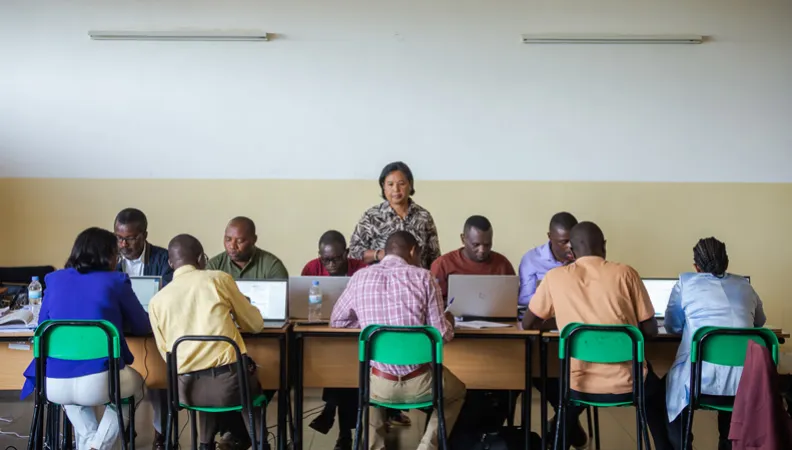
French Language Courses in Uganda
Posted on